
Skip to content

Adolescent Residential Substance Use Treatment · Worcester, MA

Motivating Youth Recovery

Residential Treatment
Address
26 Queen Street 5th Floor
Worcester, MA 01610
Accredited by
CARF (3-Year)
Admissions
Call to confirm availability

About

About Motivating Youth Recovery

Motivating Youth Recovery (MYR) is a specialty adolescent residential substance use treatment program operated by Community Healthlink (CHL) at 26 Queen Street, 5th Floor, in Worcester, Massachusetts. Community Healthlink is a member of UMass Memorial Health — the largest not-for-profit health care system in Central Massachusetts — and a clinical partner of the UMass Chan Medical School, giving MYR clients access to academic medical center resources unusual at the adolescent residential level of care. CHL holds the highest three-year accreditation from CARF.

MYR’s clinical model treats adolescents whose substance use is interwoven with trauma, mental health conditions, and family system disruption. Care is delivered in a residential milieu specifically for youth, with cognitive behavioral therapy, trauma-informed care, family therapy, group counseling, and motivational enhancement forming the core therapeutic toolkit. Because adolescents present differently than adults — shorter substance use histories, more environmental factors, active developmental processes — the program is designed to address school engagement, family dynamics, and identity formation alongside the substance use itself.

SAMHSA records confirm services for adolescents with trauma and PTSD and American Sign Language access for Deaf and hard-of-hearing youth — a rare access feature at the adolescent residential level. The program is SAMHSA-certified as an Opioid Treatment Program, authorizing medication-assisted treatment for youth with opioid use disorder when clinically indicated. Services are delivered in English.

MYR accepts Medicaid (MassHealth), private insurance, TRICARE, state insurance, and self-pay. Community Healthlink’s broader system includes 24/7 crisis services, outpatient counseling, transitional support services, and recovery housing, allowing youth to step down from MYR into longer-term outpatient and community supports through CHL’s continuum. Leadership at the parent CHL level includes Gordon Benson (President), Brian Daly, MD (Chief Medical Officer), and Lori Simkowitz-Lavigne, MA, LMHC (Chief Clinical Officer).

  • Specialized 12-bed medical detox facility exclusively for adolescents requiring withdrawal management
  • CARF accreditation with Opioid Treatment Program certification for adolescent substance use treatment
  • Chief Medical Officer oversight ensuring medically supervised detox protocols for teens
  • Specialized services for deaf and hard of hearing adolescents during detox process
  • Integrated approach combining medical detox with residential treatment for comprehensive withdrawal management

Treatment

What this center treats and how

Levels of care
Residential Treatment
Conditions
Substance Use Disorder Opioid Use Disorder Alcohol Use Disorder Co-Occurring Mental Health Disorders Trauma / PTSD
Methods
Cognitive Behavioral Therapy (CBT) Trauma-Informed Care Family Therapy Group Counseling Motivational Enhancement
Populations
Adolescents Youth Deaf / Hard of Hearing
Languages
English
Facility
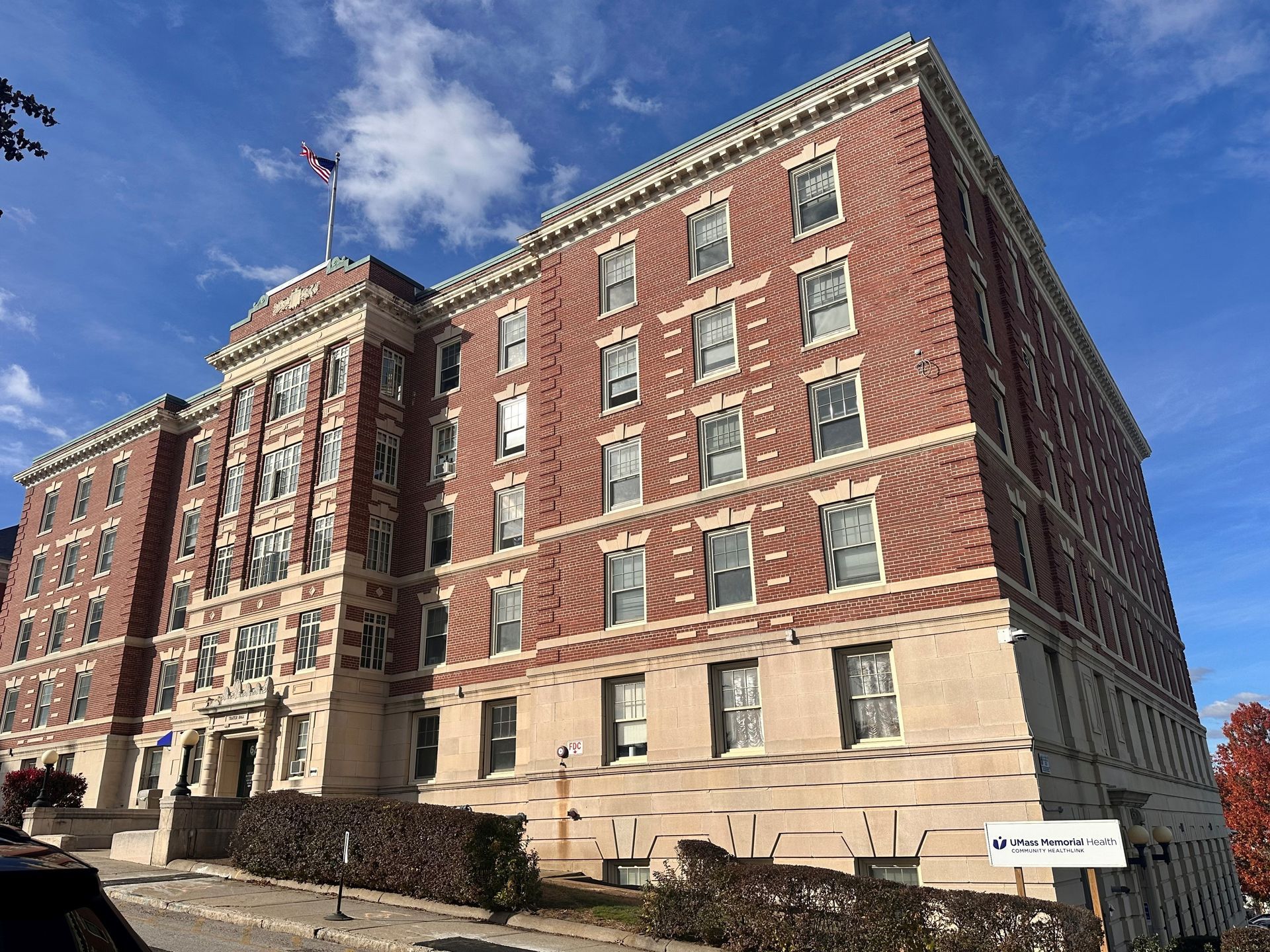
26 Queen Street, 5th Floor Worcester residential location Adolescent-only treatment milieu Part of UMass Memorial Health / Community Healthlink network

Location

Where it is

26 Queen Street 5th Floor, Worcester, MA 01610 Get directions

Ready to talk to Motivating Youth Recovery?

Calls go directly to the center. Free and confidential.

Call (508) 860-1244

Medical Detox Programs for Adolescents

Motivating Youth Recovery provides medically supervised detox services specifically designed for teenagers experiencing withdrawal from alcohol, opioids, and other substances. The 12-bed facility maintains 24/7 medical oversight during the acute detox phase, with Chief Medical Officer Dr. Brian Daly, MD, ensuring appropriate withdrawal protocols are followed. Clinical staff utilize FDA-approved medications when medically necessary to manage withdrawal symptoms safely.

The program's CARF accreditation and Opioid Treatment Program certification demonstrate adherence to established medical detox standards for adolescent populations. Treatment protocols address the unique physiological and psychological needs of teenagers during withdrawal, with specialized monitoring for complications that may arise during the detox process.

Residential Treatment and Withdrawal Management

Following medical detox, adolescents can transition to residential treatment within the same facility, providing continuity of care during early recovery. The residential component combines continued medical monitoring with Cognitive Behavioral Therapy (CBT) to address substance use patterns and develop coping strategies. Clinical oversight continues under Chief Clinical Officer Lori Simkowitz-Lavigne, MA, LMHC.

The program treats adolescents with co-occurring mental health disorders and trauma-related conditions alongside substance use issues. Staff maintain specialized capabilities for serving deaf and hard of hearing teens, ensuring accessible detox and treatment services for this population.

Insurance Coverage and Admission Process

The facility accepts multiple insurance types including Medicaid, TRICARE, private insurance plans, and state insurance coverage. Self-pay arrangements are available for families without insurance coverage. The program serves adolescents throughout Worcester County and surrounding areas in central Massachusetts.

Prospective patients should contact the facility directly at (508) 860-1244 to verify current admission availability, as recent operational changes have affected the program's referral acceptance process. Families seeking immediate adolescent detox services may need to explore alternative options if the program is not currently accepting new admissions.

After Care

Continuing support

Stepdown to Community Healthlink outpatient youth services Family engagement and follow-up UMass Memorial Health continuity of care School and educational support coordination

Cost & Credentials

What's covered and who vouches for it

Payment options
Medicaid Private Insurance TRICARE Self-Pay / Cash State Insurance
Accreditations
CARF (3-Year) Opioid Treatment Program (OTP)

Common questions

FAQs About Motivating Youth Recovery

Does Motivating Youth Recovery provide medical detox for teenagers? +
Yes, the facility operates a 12-bed medical detox program specifically for adolescents. Medical oversight is provided by Chief Medical Officer Dr. Brian Daly, MD, with 24/7 supervision during withdrawal management.
What types of substance withdrawal does the program treat? +
The program provides medically supervised detox for adolescents withdrawing from alcohol, opioids, and other substances. As an Opioid Treatment Program certified facility, they have specialized protocols for opioid withdrawal management in teens.
Is the facility currently accepting new adolescent detox admissions? +
Admission status may vary due to recent operational changes. Families should call (508) 860-1244 directly to verify current availability for adolescent detox services before making referrals.
What insurance plans cover adolescent detox treatment at this facility? +
The program accepts Medicaid, TRICARE, private insurance, and state insurance plans. Self-pay options are also available for families without coverage.
How many teens can receive detox services at one time? +
The facility has a 12-bed capacity, allowing for intensive medical supervision and individualized withdrawal management for a small group of adolescents at any given time.
Does the program treat adolescents with co-occurring mental health disorders during detox? +
Yes, clinical staff are trained to address co-occurring disorders and trauma-related conditions alongside substance use treatment. Chief Clinical Officer Lori Simkowitz-Lavigne, MA, LMHC, oversees dual diagnosis treatment protocols.
Are specialized services available for deaf or hard of hearing teens? +
Yes, the facility maintains specialized capabilities to serve deaf and hard of hearing adolescents during medical detox and residential treatment. This ensures accessible withdrawal management services for this population.
What happens after medical detox is completed? +
Adolescents can transition to residential treatment within the same facility, providing continuity of care. The residential component includes Cognitive Behavioral Therapy (CBT) and continued medical monitoring during early recovery.

Services

Programs and specialties

Treatment type
Hospital inpatient Residential treatment Inpatient medical detox and stabilization Hospital inpatient treatment Residential detoxification Short-term residential Alcohol Detoxification Benzodiazepines Detoxification Cocaine Detoxification Opioid Detoxification Methamphetamines detoxification Routinely uses medication for detoxification
Payment
Cash or self-payment State-financed health insurance plan other than Medicaid Federal or any government funding for substance use programs Medicaid
Specialty
Mental health counseling for co-occurring disorders Group therapy Family therapy Addiction recovery education Adolescents Gay & Lesbian
Sponsored Hotline · Who answers?
Call 24/7 · (866) 442-3244