
Skip to content

Hospital-Based Addiction Medicine Program · McKeesport, PA

UPMC Mckeesport Hosptial

Medical Detox Outpatient Program
Address
1500 5th Avenue
McKeesport, PA 15132
Accredited by
Joint Commission (JCAHO), CARF
Admissions
Call to confirm availability

About

About UPMC Mckeesport Hosptial

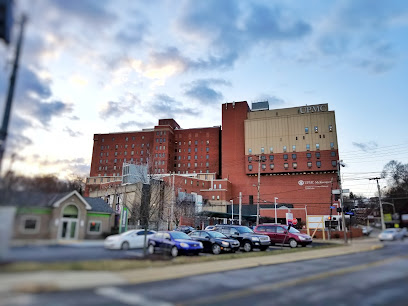
UPMC McKeesport Hospital sits at 1500 5th Avenue in McKeesport, the largest community in Pittsburgh’s Mon Valley and an Allegheny County hub for healthcare delivery. As a member hospital of UPMC – the world-renowned Pittsburgh-based integrated health system – McKeesport contributes addiction medicine services to UPMC’s broader behavioral health continuum. The hospital is accredited by both The Joint Commission and CARF, and its addiction program operates as a SAMHSA-certified Opioid Treatment Program providing methadone and buprenorphine maintenance under federal regulatory oversight.

Clinically, the program centers on hospital-based detoxification and outpatient opioid treatment. Patients in acute withdrawal receive inpatient stabilization with medical oversight from hospitalist and addiction medicine physicians, and the OTP supports patients with opioid use disorder through methadone or buprenorphine maintenance combined with cognitive behavioral therapy and counseling. Because the program sits inside a full-service hospital, patients with complex medical comorbidities – liver disease, cardiovascular conditions, HIV management, pregnancy – can access specialist consultations without leaving the campus.

The program serves a notably broad adult population. Veterans, young adults aged 18 to 25, older adults, men, women, patients living with HIV, and Deaf or hard-of-hearing patients are explicitly accommodated. American Sign Language services support Deaf patients, and trauma-informed care anchors clinical practice for patients with PTSD or trauma histories. Dual-diagnosis programming addresses co-occurring mental health conditions, drawing on UPMC’s psychiatric expertise across the broader system.

Financially, the program accepts Pennsylvania Medicaid, Medicare, TRICARE for military families, commercial insurance through UPMC Health Plan and other carriers, state insurance, and self-pay. Patients can engage with the MyUPMC portal to manage appointments, refill medications, and message clinical teams. As one of UPMC’s 40 hospitals, McKeesport gives Mon Valley patients hospital-grade addiction care without requiring a trip to downtown Pittsburgh. The general hospital phone is (412) 664-2000.

  • Hospital-based medical detox with immediate access to full medical services and emergency care
  • Certified Opioid Treatment Program (OTP) providing specialized opioid detox and medication-assisted treatment
  • Joint Commission and CARF accredited facility ensuring quality medical detox protocols
  • Comprehensive insurance acceptance including TRICARE for veterans and Medicaid/Medicare
  • Specialized services for deaf and hard of hearing patients during detox and treatment

Treatment

What this center treats and how

Levels of care
Medical Detox Outpatient Program
Conditions
Trauma / PTSD Co-Occurring Disorders / Dual Diagnosis Opioid Use Disorder Alcohol Use Disorder Substance Use Disorder
Methods
Cognitive Behavioral Therapy (CBT) Methadone Maintenance Medication-Assisted Treatment (MAT)
Populations
Veterans Young Adults (18-25) Seniors / Older Adults Men Women HIV/AIDS Support Deaf / Hard Of Hearing
Languages
English American Sign Language (ASL)
Facility
UPMC McKeesport Hospital campus on 5th Avenue Hospital-based Addiction Medicine program Access to UPMC system specialists and consultations MyUPMC patient portal American Sign Language services

Location

Where it is

1500 5th Avenue, McKeesport, PA 15132 Get directions

Ready to talk to UPMC Mckeesport Hosptial?

Calls go directly to the center. Free and confidential.

Call (855) 783-8762

Hospital-Based Medical Detox Services

UPMC McKeesport Hospital provides medical detox services within a comprehensive hospital environment, offering advantages for patients requiring intensive medical supervision during withdrawal. The hospital setting ensures immediate access to emergency medical care, laboratory services, and specialist consultations when complications arise during the detox process.

The facility's medical detox program addresses alcohol withdrawal, opioid withdrawal, and other substance dependencies through medically supervised protocols. Patients benefit from 24/7 medical monitoring by hospital staff trained in addiction medicine, with the ability to manage severe withdrawal symptoms or medical emergencies that may occur during treatment.

Opioid Treatment Program Certification

UPMC McKeesport Hospital holds certification as an Opioid Treatment Program (OTP), enabling the facility to provide comprehensive opioid detox and medication-assisted treatment options. This certification allows the program to administer FDA-approved medications for opioid addiction treatment under strict medical supervision.

The OTP designation ensures that patients receiving opioid detox have access to evidence-based withdrawal management protocols and potential transition to maintenance medications when clinically appropriate. This certification requires adherence to federal regulations and regular oversight, providing assurance of treatment quality and safety standards.

Insurance Coverage and Payment Options

UPMC McKeesport Hospital accepts a comprehensive range of insurance plans for medical detox services, including Medicaid, Medicare, private insurance, and TRICARE for military personnel and veterans. The facility also accommodates self-pay patients and accepts state insurance programs, reducing financial barriers to accessing medically supervised detox.

Veterans receive specialized support through TRICARE coverage and dedicated services for military-related trauma and substance abuse issues. The hospital's billing department works with patients to verify insurance benefits and explore payment options for detox programs and residential treatment services.

Specialized Population Services

The facility serves diverse populations including young adults, seniors, veterans, and individuals with co-occurring disorders requiring dual diagnosis treatment. Specialized services accommodate patients who are deaf or hard of hearing, ensuring accessible communication during medical detox and treatment planning.

Veterans benefit from trauma-informed care addressing military-related PTSD alongside substance abuse treatment. The hospital's medical infrastructure supports older adults who may have complex medical conditions requiring monitoring during detox, while young adult programs address the unique needs of patients aged 18-25 seeking withdrawal management services.

After Care

Continuing support

Referral into UPMC outpatient continuum OTP maintenance dosing MyUPMC continuity of care

Cost & Credentials

What's covered and who vouches for it

Payment options
Medicaid Medicare Private Insurance TRICARE Self-Pay / Cash State Insurance
Accreditations
Joint Commission (JCAHO) CARF Opioid Treatment Program (OTP)

Common questions

FAQs About UPMC Mckeesport Hosptial

What types of medical detox does UPMC McKeesport Hospital provide? +
UPMC McKeesport Hospital provides medical detox for alcohol, opioids, and other substances through medically supervised withdrawal management protocols. The facility operates as a certified Opioid Treatment Program (OTP) with specialized protocols for opioid detox and medication-assisted treatment options.
Can you leave medical detox at UPMC McKeesport Hospital voluntarily? +
Patients can typically leave medical detox voluntarily unless they are under court order or involuntary commitment. However, leaving detox prematurely can be dangerous, particularly during alcohol or benzodiazepine withdrawal, and medical staff will discuss risks before discharge.
What does a typical day look like during inpatient detox at the hospital? +
Days in medical detox include regular medical monitoring, medication administration for withdrawal symptoms, and basic therapeutic activities. The hospital setting provides 24/7 medical supervision with nursing assessments, physician rounds, and gradual introduction of therapy services like Cognitive Behavioral Therapy as patients stabilize.
Does UPMC McKeesport Hospital accept insurance for detox services? +
Yes, the facility accepts Medicaid, Medicare, private insurance, TRICARE, state insurance, and self-pay arrangements. Veterans can utilize TRICARE benefits, and the hospital billing department assists patients with insurance verification and coverage determination for medical detox services.
How should I prepare for inpatient detox at UPMC McKeesport Hospital? +
Bring identification, insurance cards, a list of current medications, and comfortable clothing for a several-day stay. Contact the facility at (412) 664-2000 to discuss specific preparation requirements and what items are permitted during medical detox in the hospital setting.
What makes hospital-based detox different from other detox centers? +
Hospital-based medical detox provides immediate access to emergency medical services, laboratory testing, and specialist consultations if complications arise during withdrawal. UPMC McKeesport can manage complex medical conditions alongside addiction treatment, offering a higher level of medical support than standalone detox facilities.
Does the facility provide services for deaf or hard of hearing patients? +
Yes, UPMC McKeesport Hospital offers specialized services for deaf and hard of hearing individuals during medical detox and treatment. The facility ensures accessible communication throughout the withdrawal management process and recovery programming.
What happens after completing medical detox at UPMC McKeesport Hospital? +
Following medical detox, patients can transition to the facility's residential treatment program or outpatient services. The hospital provides continued care coordination and discharge planning to ensure patients have appropriate follow-up treatment arrangements for ongoing addiction recovery support.

Services

Programs and specialties

Treatment type
Hospital inpatient Inpatient medical detox and stabilization Hospital inpatient treatment Alcohol Detoxification Benzodiazepines Detoxification Opioid Detoxification Routinely uses medication for detoxification
Payment
Cash or self-payment State-financed health insurance plan other than Medicaid Medicare Medicaid Military insurance (e.g. TRICARE)
Specialty
Mental health counseling for co-occurring disorders Group therapy Family therapy Addiction recovery education
Sponsored Hotline · Who answers?
Call 24/7 · (866) 442-3244