
Skip to content

Hospital / VA Medical Center · Cincinnati, OH

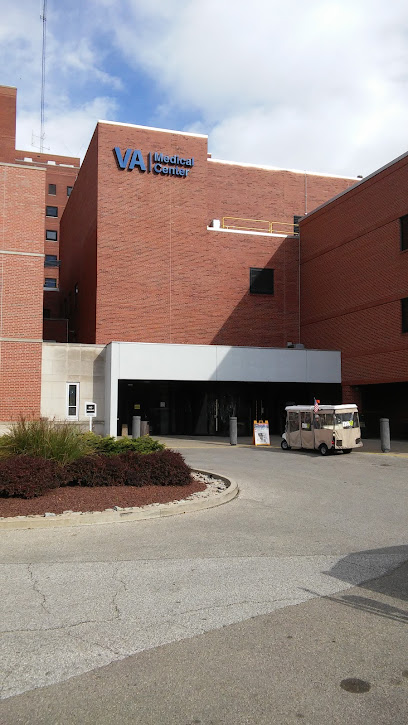
Cincinnati VA Medical Center

Medical Detox Residential Treatment Intensive Outpatient (IOP) Outpatient Program
Address
3200 Vine Street Suite A-800
Cincinnati, OH 45220
Accredited by
Joint Commission (JCAHO), CARF
Admissions
Call to confirm availability

About

About Cincinnati VA Medical Center

The Cincinnati VA Medical Center is a U.S. Department of Veterans Affairs hospital located at 3200 Vine Street in the Corryville neighborhood of Cincinnati, Ohio. The facility holds both Joint Commission and CARF accreditation, and its Substance Dependence Program is recognized as a SAMHSA-certified Opioid Treatment Program. Care is exclusively for eligible veterans, with limited access for active-duty service members through VA partnerships.

The Substance Dependence Program operates across the full continuum. Veterans entering acute withdrawal can be stabilized in medically supervised detox before stepping into residential rehabilitation on the Vine Street campus. The intensive outpatient program and general outpatient services accommodate veterans whose work, family, or housing situations make residential care impractical, while the on-site methadone clinic and broader medication-assisted treatment options serve veterans with opioid use disorder.

Cincinnati VAMC is also home to specialty residential programs for post-traumatic stress disorder. Two seven-week intensive PTSD tracks serve male and female veterans separately, and an eight-week program is designed for veterans with combined PTSD and traumatic brain injury. These programs frequently address co-occurring substance use, and clinicians use cognitive behavioral therapy, trauma-focused approaches, and group work alongside medication management.

Because Cincinnati VAMC is a federal hospital, services are funded primarily through VA healthcare benefits rather than commercial insurance. Eligible veterans typically pay nothing out of pocket. TRICARE is accepted where applicable for eligible service members and family members, and self-pay arrangements are available for non-eligible patients. American Sign Language accessibility and accommodations for Deaf and hard-of-hearing veterans are built into the program.

  • 24/7 hospital-based medical detox exclusively for military veterans
  • Joint Commission and CARF dual accreditation ensuring rigorous safety protocols
  • Certified Opioid Treatment Program (OTP) with medication-assisted treatment
  • Specialized services for deaf and hard-of-hearing veterans during detox
  • Seamless transition from medical detox to residential and outpatient programs

Treatment

What this center treats and how

Levels of care
Medical Detox Residential Treatment Intensive Outpatient (IOP) Outpatient Program Opioid Treatment Program (OTP)
Conditions
Substance Use Disorder Alcohol Use Disorder Opioid Use Disorder Post-Traumatic Stress Disorder (PTSD) Co-Occurring Mental Health Conditions Traumatic Brain Injury (TBI)
Methods
Cognitive Behavioral Therapy (CBT) Medication-Assisted Treatment (MAT) Trauma-Focused Therapy Group Therapy Individual Therapy
Populations
Veterans Active-Duty Service Members (where eligible) Deaf / Hard of Hearing
Languages
English American Sign Language (ASL)
Facility
Full VA medical center campus on Vine Street On-site Substance Dependence Program Residential PTSD treatment programs Methadone clinic ASL accessibility for Deaf and hard-of-hearing veterans

Location

Where it is

3200 Vine Street Suite A-800, Cincinnati, OH 45220 Get directions

Ready to talk to Cincinnati VA Medical Center?

Calls go directly to the center. Free and confidential.

Call 513-861-3100 x6353

24/7 Medical Detox and Withdrawal Management

Cincinnati VA Medical Center operates continuous medical detox services through its hospital-based addiction treatment program. Veterans experiencing withdrawal from alcohol, opioids, benzodiazepines, or other substances receive immediate medical supervision and intervention. The facility's 24-hour operation schedule ensures that detox admissions can occur any day of the week, addressing the urgent nature of withdrawal complications.

Medical staff follow established withdrawal protocols while monitoring for dangerous complications such as seizures, cardiovascular instability, or severe dehydration. The hospital setting provides immediate access to emergency medical interventions when withdrawal symptoms escalate beyond typical detox protocols. This level of medical oversight proves essential for veterans with complex medical histories or polysubstance dependencies requiring intensive monitoring.

Opioid Treatment Program and Medication-Assisted Treatment

The center maintains certification as an Opioid Treatment Program, enabling comprehensive medication-assisted treatment for opioid withdrawal and ongoing addiction management. Veterans undergoing opioid detox receive medically supervised tapering protocols designed to minimize withdrawal severity while preparing for long-term recovery interventions. The OTP certification allows for methadone, buprenorphine, and naltrexone administration under strict medical guidelines.

Integration between detox services and medication-assisted treatment creates continuity of care that extends beyond initial withdrawal management. Veterans can transition directly from acute detox phases into maintenance medication protocols without interruption in medical supervision. This seamless approach addresses both immediate withdrawal symptoms and long-term opioid addiction management within the same facility.

Comprehensive Care Levels and Veteran-Specific Services

Beyond medical detox, the facility provides residential treatment, intensive outpatient programs, and standard outpatient services tailored to veteran populations. This range of care levels allows for appropriate placement based on detox outcomes and ongoing treatment needs. Veterans can progress through different intensity levels while maintaining connection to the same clinical team and treatment philosophy.

The program addresses unique veteran challenges including combat trauma, military sexual trauma, and service-related disabilities that often complicate addiction recovery. Specialized accommodations for deaf and hard-of-hearing veterans ensure effective communication during critical detox periods when clear understanding of symptoms and medical instructions proves vital for safety.

Accreditation and Insurance Coverage

Joint Commission accreditation and CARF certification demonstrate the facility's commitment to rigorous safety standards essential for medical detox operations. These accreditations require regular audits of detox protocols, staff training, and emergency response procedures. Veterans benefit from the quality assurance that comes with nationally recognized accreditation standards.

TRICARE coverage, private insurance acceptance, and self-pay options provide multiple pathways for veterans to access detox services regardless of their insurance status. The facility's experience with veteran-specific insurance requirements streamlines admission processes during crisis situations when immediate detox placement becomes necessary.

After Care

Continuing support

Continuity of VA outpatient care PTSD aftercare VA mental health follow-up Peer support services for veterans

Cost & Credentials

What's covered and who vouches for it

Payment options
VA Healthcare Benefits TRICARE Private Insurance (where applicable) Self-Pay / Cash
Accreditations
Joint Commission (JCAHO) CARF Opioid Treatment Program (OTP)

Common questions

FAQs About Cincinnati VA Medical Center

Does the Cincinnati VA provide medical detox services for veterans? +
Yes, Cincinnati VA Medical Center operates a 24/7 medical detox program specifically for veterans. The hospital-based facility provides medically supervised withdrawal management for alcohol, opioids, and other substances with continuous medical monitoring.
What makes this medical detox program different from civilian facilities? +
The program exclusively serves veterans and addresses military-specific trauma and addiction challenges. Staff understand combat-related PTSD, military sexual trauma, and service disabilities that often complicate detox and recovery processes.
Is the Cincinnati VA an accredited detox facility? +
The facility holds both Joint Commission accreditation and CARF certification, demonstrating adherence to rigorous safety standards for medical detox operations. These accreditations require regular audits of withdrawal protocols and emergency response procedures.
What insurance covers detox treatment at Cincinnati VA? +
The facility accepts TRICARE, private insurance, and self-pay arrangements. Veterans can access medical detox services through multiple payment options regardless of their current insurance status.
Does the Cincinnati VA provide opioid detox and medication-assisted treatment? +
Yes, the center maintains Opioid Treatment Program certification and provides comprehensive medication-assisted treatment for opioid withdrawal. Veterans can receive methadone, buprenorphine, or naltrexone under strict medical supervision during and after detox.
Can veterans access detox services 24 hours a day? +
The facility operates 24/7, allowing for urgent detox admissions any day of the week. This continuous operation addresses the critical nature of withdrawal complications that can occur at any time.
What happens after completing medical detox at the Cincinnati VA? +
Veterans can transition to residential treatment, intensive outpatient programs, or standard outpatient services within the same facility. This provides continuity of care with the same clinical team throughout different treatment phases.
Does the facility accommodate veterans with hearing disabilities during detox? +
Yes, the program provides specialized services for deaf and hard-of-hearing veterans. This ensures effective communication during critical detox periods when clear understanding of symptoms and medical instructions is vital for safety.

Services

Programs and specialties

Treatment type
Hospital inpatient Outpatient Residential treatment Inpatient medical detox and stabilization Hospital inpatient treatment Outpatient detoxification IOP Outpatient methadone/buprenorphine or naltrexone treatment Aftercare recovery programs Residential detoxification Short-term residential Alcohol Detoxification Benzodiazepines Detoxification Cocaine Detoxification Opioid Detoxification Methamphetamines detoxification Routinely uses medication for detoxification
Payment
Cash or self-payment Federal or any government funding for substance use programs Medicare Medicaid Military insurance (e.g. TRICARE)
Specialty
Mental health counseling for co-occurring disorders Group therapy Family therapy Marital/couples counseling Addiction recovery education Gay & Lesbian Veterans
Sponsored Hotline · Who answers?
Call 24/7 · (866) 442-3244