
About
About Port of Hope Centers Inc
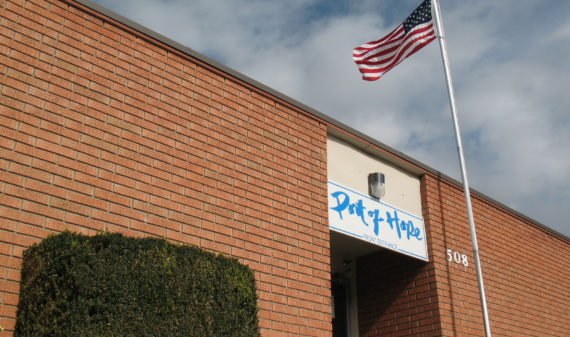
Port of Hope Centers operates as a non-profit substance use treatment provider in Idaho, with the Nampa center at 508 East Florida Avenue anchoring the southwest Idaho service area alongside affiliated locations in Boise and Coeur d’Alene. President and CEO Barry Hogan Meyers, CADC, CCS, leads the organization, which emphasizes its non-profit status as a marker of clinical focus over financial return.
The Nampa center’s service menu spans intake screening and assessment, non-medical social detoxification, 90-day intensive residential treatment with 60- and 30-day options based on initial assessment, an intensive outpatient program, individual and group counseling, DUI evaluations administered by court-approved assessors, and DUI/substance use education classes. The ‘social detoxification’ approach is non-medical — clients work through early withdrawal in a structured, home-like environment without on-site medication management, though medical assistance is located nearby in case it becomes necessary.
The program is structured for Idaho’s specific legal and clinical context, with strong emphasis on court-involved clients. DUI evaluations are court-approved, and the residential program provides the structure that many courts mandate as an alternative to incarceration. Counseling uses cognitive behavioral therapy as its evidence base and addresses co-occurring mental health conditions alongside substance use.
Payment options per SAMHSA are limited to Medicaid and self-pay / cash. The non-profit structure means Port of Hope can serve clients who would not qualify for the commercial-insurance-focused programs that dominate addiction treatment elsewhere. Inquiries and admissions are taken at 208-463-0118, 24 hours a day, seven days a week.
- 24-hour availability for immediate outpatient detox program access
- Specialized dual diagnosis treatment for co-occurring disorders during withdrawal management
- 90-day structured program length with medical assistance nearby for detox safety
- Home-like treatment environment while maintaining medical supervision protocols
- Medicaid acceptance making medically supervised detox accessible to more patients