Skip to content
Massachusetts skyline

Drug & Alcohol Detox Centers in Massachusetts

There are 81 detox centers in Massachusetts that specialize in drug and alcohol treatment. 26 provide inpatient services. 51 offer outpatient detox services. 191 addiction treatment centers offer medication assisted support. Find a detox by city: Boston, Worcester, Springfield, Cambridge, or Lowell.

Search by ZIP code

Compare detox centers near your address or a loved one's location.

Listings
83
Levels of care available
Medical Detox (20) Outpatient Program (19) Residential Treatment (10) Intensive Outpatient (IOP) (6) Partial Hospitalization Program (PHP) (2) Medical Detox (Level 4) (1)
Top insurance accepted
Blue Cross Blue Shield (4) Cigna (3) Tufts Health Plan (3) Optum (3) Aetna (3) AmeriHealth (2)
Aggregated from 26 of 83 listings with verified data.
Refine detox center results
Showing 83 listings in Massachusetts.

Browse Detox Centers in Massachusetts

Medical detox Residential Insurance on file

107 Lincoln Street, Worcester, MA 1605

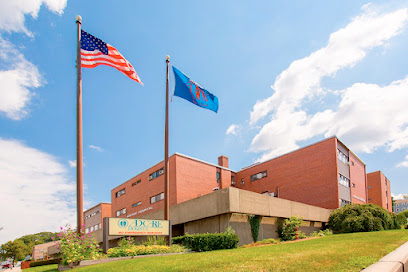
AdCare Hospital in Worcester, Massachusetts is a 114-bed Level 4 medical detox and addiction treatment hospital, the flagship of the AdCare network that has provided addiction treatment across New England for 50 years.

Medical Detox (Level 4) Inpatient Treatment Outpatient Rehab Blue Cross Blue Shield Cigna Tufts Health Plan +1 more
Data available: levels of care, insurance, accreditation, photos.
Medical detox

909 Sumner Street, Stoughton, MA 2072

Andrew House Stoughton is an addiction treatment provider in Stoughton, MA. Levels of care include Medical Detox and Outpatient Program.

Medical Detox Outpatient Program
Data available: levels of care.
Substance Use Treatment Insurance on file

725 Albany Street, Boston, MA 2118

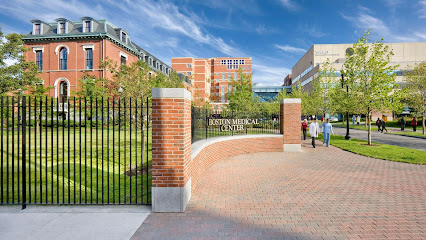
Boston Medical Center's Office-Based Addiction Treatment (OBAT) clinic in Boston's South End delivers outpatient buprenorphine and naltrexone treatment integrated with primary care, with NCQA and Joint Commission recognition and partnership…

Outpatient Program MassHealth BMC HealthNet Plan
Data available: levels of care, insurance, accreditation, photos.
Medical detox

1153 Centre Street, Jamaica Plain, MA 2130

The Addiction Recovery Program at Brigham and Women's Faulkner Hospital is a hospital-based service in Jamaica Plain, Boston.

Medical Detox Outpatient Program Telehealth Services
Data available: levels of care, accreditation, photos.
Medical detox

200 Ter Heun Drive, Falmouth, MA 2540

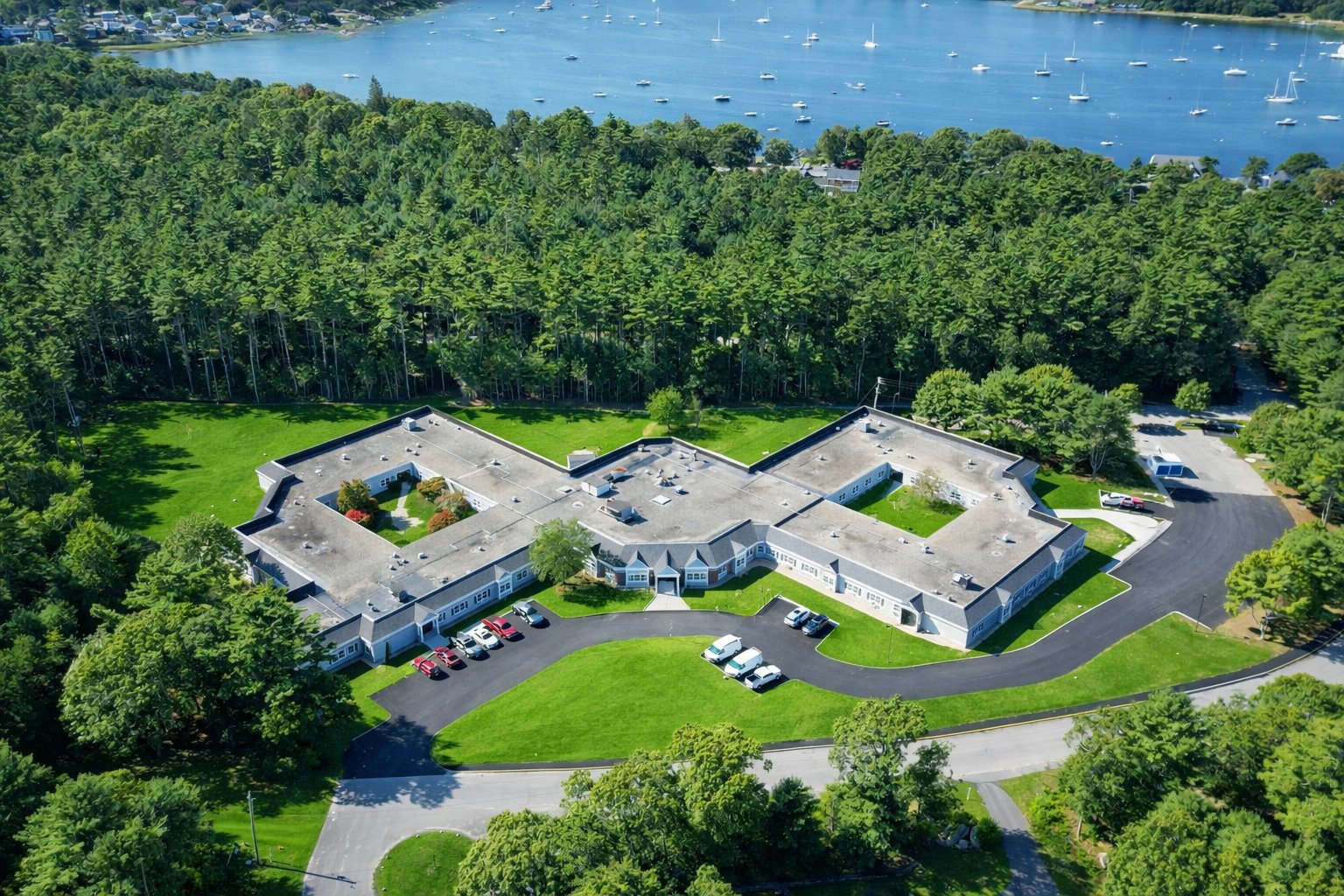
Gosnold Treatment Center in Falmouth, Massachusetts is a 50-year-old nonprofit behavioral health and substance use treatment provider serving Cape Cod and the broader Massachusetts region.

Medical Detox Clinical Stabilization Services (CSS) Partial Hospitalization Program (PHP)
Data available: levels of care, accreditation, photos.
Outpatient Clinic

99 Topeka Street, Boston, MA 2118

Habit OPCO Boston Comprehensive Treatment Center is an outpatient medication-assisted treatment (MAT) clinic in Boston, Massachusetts, providing methadone and other opioid use disorder medications alongside counseling.

Outpatient Program
Data available: levels of care, photos.
Substance Use Treatment

175 Crescent Avenue, Chelsea, MA 2150

Healthcare Resource Centers Chelsea is a CARF-accredited opioid treatment program on Crescent Avenue in Suffolk County, Massachusetts.

Outpatient Program
Data available: levels of care, accreditation, photos.
Residential

227 Babcock Street, Brookline, MA 2446

HRI Hospital is a Joint Commission-accredited behavioral health hospital in Brookline, Massachusetts, offering inpatient psychiatric care alongside an unusually specialized outpatient ladder — partial hospitalization tracks for women, LGBTQ…

Inpatient Hospitalization Partial Hospitalization (PHP) Intensive Outpatient (IOP)
Data available: levels of care, accreditation, photos.

Drug & Alcohol Detoxification Facilities in Massachusetts

Finding a detox program in Massachusetts may seem overwhelming at first. While 81 detox centers may be fewer than many other states, Massachusetts is quite small. Most of them are located in the eastern part of Massachusetts. There are still plenty of detox options in western Massachusetts, but not as many as in the east. Aside from location, the particular substance someone used can determine the type of detox required. For alcohol and some prescription drugs, it may be necessary to enter a medical detox center. For other types of drugs, a detox that provides outpatient services may be sufficient. Once detox is completed, it is highly recommended to get aftercare in the form of substance abuse treatment.

Massachusetts has 422 rehab facilities that specialize in drug and alcohol rehab. 25 provide inpatient treatment. There are also 144 residential treatment programs. Massachusetts also has 290 outpatient drug rehab centers. No matter what level of care you need, Massachusetts has a drug or alcohol addiction treatment center to suit your needs.

Dual diagnosis mental health issues frequently occur alongside substance use disorders. Massachusetts has a fairly comprehensive healthcare system, but this only addresses part of the problem. A 2020 report by Mental Health America ranked Massachusetts at second place in the nation regarding access to mental health services. They also ranked Massachusetts second place for their overall national rank. This report only took into account the general population and did not address the rate of mental illness among people with addiction issues.

There are 259 dual diagnosis treatment centers in Massachusetts that can treat addiction and mental health issues. If someone is struggling with these co-occurring disorders, then it is highly recommended to find care for both issues. These centers provide targeted treatment plans that focus on behavioral therapy. This can greatly improve someone's chances of building a solid foundation in recovery.

Drug Abuse in Massachusetts

Massachusetts has been a hotbed for drug activity for several decades. The main problem in recent years has been a sharp rise in opioid overdose deaths. In addition to opioids, Massachusetts has one of the highest rates of cocaine overdose deaths in the country. In recent years, there have been increasing reports of cocaine that is laced with fentanyl. This is certainly a contributor to these overdose deaths. In 2016, the state also ranked at #8 in the top 10 states with the most drug overdose deaths in the country. As for specific drugs of concern in Massachusetts, the drugs heroin, cocaine, and methamphetamine have been particularly serious issues.

Drug trafficking and distribution are also major issues in Massachusetts. In November of 2021, the Massachusetts District Attorney's Office indicted 13 people for drug trafficking, possession, and conspiracy. They were members of the Gangster Disciples gang and were charged with drug trafficking throughout Massachusetts, New Hampshire, and Maine. The drugs they were distributing included methamphetamine, suboxone, and fentanyl. This is only the most recent and high-profile case in a decades-long drug trafficking problem in Massachusetts.

Massachusetts Addiction & Detox Statistics

  • During the nationwide prescription drug epidemic, Massachusetts was consistently named among the top ten worst states for substance abuse and addiction. Since the heroin problem escalated several years ago, Massachusetts has been devastated. In addition to other large cities in proximity to Massachusetts, Boston has been found to be a major source of the deadly drug.
  • Statistics have shown a continuous, year-over-year increase in both heroin addiction as well as addiction in general. Each of the past several years has set new records, and the number of unintentional overdoses is the highest it’s been in eleven years. In other words, heroin abuse has escalated to such a level as to surpass the effects of the prescription drug epidemic in the early 2000s.
  • Compared to other states, Massachusetts has had a continuing problem with cocaine. Elsewhere in the US, rates of cocaine abuse and overdose have been in a decline. Cocaine use in Massachusetts has remained constant in recent years. In fact, it’s only recently that heroin has been detected in more overdose deaths than cocaine.
  • Over a two-year period, rates of heroin overdoses in Massachusetts increased by 76 percent. This is the most dramatic increase in overdose rates the state has seen in recent history.
  • The Massachusetts Department of Health put together a working group to assess the status and efficacy of the state’s prevention and intervention efforts. This group consisted of public officials, members of law enforcement, the loved ones of people struggling with addiction, and community volunteers. They reviewed the quality of treatment and the level of recovery support offered throughout the state. Since the task force released its report, there have been a number of new policies put into place. One of these is the requirement that all emergency responders carry naloxone in the hope of curbing the opioid epidemic.

Massachusetts Detox Resources

  • The Massachusetts Organization for Addiction Recovery is arguably the most popular addiction-focused organization in the state. The group is a coalition of the friends and family members of addicts and concerned citizens who evangelize the importance of addiction education for prevention. Members of the Massachusetts recovery community also play a large role in this organization.
  • The Massachusetts Association of Alcoholism and Drug Addiction Counselors is a sibling organization of NAADAC. This is an association specifically for professionals in the addiction recovery field. In Massachusetts, this group consists of addictions counselors and treatment providers. Their goal is to use research and education to develop new treatment methods and improve the addiction treatment options currently available.
  • Learn to Cope is a non-profit peer-led support group that was founded in 2004. Its mission is to collaborate with communities throughout Massachusetts to enhance education and awareness as prevention efforts for alcohol and drug addiction.
  • The Massachusetts Coalition for Addiction Services is a unique organization because, as its name suggests, it’s a coalition of numerous other organizations, including several on this list. Although this group has many goals, the most important is to improve funding for addiction treatment, research, and education throughout Massachusetts.
  • The Massachusetts Alliance for Mental Health is an offshoot of the National Alliance for Mental Health. While many of the other groups on this list focus on advocacy, this organization aims to be a resource for communities throughout Massachusetts. MAMH works to help adolescents and young adults learn about addiction and the various treatment options that are available.
Sponsored Hotline · Answered by Treatment Addictions Solutions
Call 24/7 · (866) 442-3244