
Skip to content

Substance Use Treatment (State Hospital Division) · Hartford, Connecticut

Connecticut Valley Hospital Blue Hills Substance Services

Medical Detox (Medication-Supported Withdrawal) Residential Treatment
Address
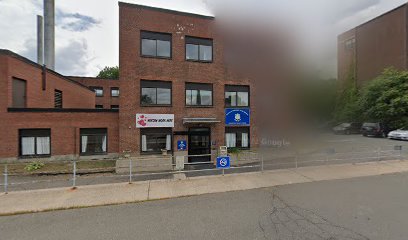
500 Vine Street
Hartford, Connecticut 06112
Accredited by
Joint Commission (JCAHO)
Available
24/7 admissions

About

About Connecticut Valley Hospital Blue Hills Substance Services

Blue Hills Substance Services is the substance use treatment campus at Connecticut Valley Hospital (CVH), the state psychiatric hospital operated by Connecticut’s Department of Mental Health and Addiction Services (DMHAS). Located at 500 Vine Street in Hartford, Blue Hills serves as a critical safety-net resource for Connecticut residents needing higher-acuity addiction care that may not be readily available through private outpatient providers.

The program is Joint Commission accredited and certified as an Opioid Treatment Program (OTP) through SAMHSA, allowing it to provide methadone and other medications for opioid use disorder. Medical Detox is offered for safe, medically supervised withdrawal from alcohol and drugs — including medications to manage withdrawal symptoms. Residential Treatment follows detox for clients who need extended structured care before transitioning to community-based recovery. Clinical services incorporate Cognitive Behavioral Therapy and trauma-informed care for clients with co-occurring PTSD and dual diagnosis presentations.

Blue Hills serves a wide range of populations including adult men and women, young adults (18-25), older adults, court-ordered clients, people living with HIV/AIDS, and Deaf and hard-of-hearing clients. As a DMHAS-operated facility, it is a key resource for justice-involved adults, indigent clients, and Connecticut residents whose treatment is funded through state programs. Payment options include Medicaid, Medicare, private insurance, TRICARE, sliding scale, and state insurance — and financial assistance is available to qualifying clients.

Admission inquiries can be made through 860-293-6400 x401. As a state hospital service line, intake involves screening and clinical review to confirm that Blue Hills is the appropriate level of care. For clients who require more outpatient-oriented services, DMHAS coordinates referrals to community programs across Hartford and the broader state network.

  • Operated by Connecticut DMHAS — state safety-net provider
  • Joint Commission accredited and SAMHSA-certified OTP
  • Medical detox with medication-assisted withdrawal
  • Residential treatment for higher-acuity needs
  • Specialized services for HIV/AIDS and Deaf / hard-of-hearing clients

Treatment

What this center treats and how

Levels of care
Medical Detox (Medication-Supported Withdrawal) Residential Treatment
Conditions
Alcohol Use Disorder Drug Use Disorder Opioid Use Disorder Trauma / PTSD Co-Occurring Disorders / Dual Diagnosis
Methods
Cognitive Behavioral Therapy (CBT) Medication-Assisted Treatment Trauma-Informed Care
Populations
Adults Young Adults (18-25) Seniors / Older Adults Men Women HIV/AIDS Support Deaf / Hard of Hearing Court-Ordered
Languages
English

Location

Where it is

500 Vine Street, Hartford, Connecticut 06112 Get directions

Ready to talk to Connecticut Valley Hospital Blue Hills Substance Services?

Calls go directly to the center. Free and confidential.

Call 860-293-6400 x401

A State Safety-Net Treatment Campus

Blue Hills Substance Services is part of Connecticut Valley Hospital and operates under Connecticut's Department of Mental Health and Addiction Services (DMHAS). The state hospital framework makes Blue Hills a critical resource for residents whose treatment is funded by Medicaid or state programs — providing higher-acuity care that may not be available through private outpatient providers.

Detox, Residential, and OTP

Medical Detox provides medication-supported withdrawal under hospital-level supervision. Residential Treatment follows detox for clients who benefit from extended structured care, and Opioid Treatment Program services support clients on methadone or other MAT medications. Clinical work integrates Cognitive Behavioral Therapy and trauma-informed care for dual diagnosis presentations.

Accessible Across Populations

Blue Hills serves young adults, older adults, court-ordered clients, people living with HIV/AIDS, and Deaf and hard-of-hearing clients. TRICARE acceptance supports military families and veterans. Joint Commission accreditation underscores the safety and quality standards of the campus.

Cost & Credentials

What's covered and who vouches for it

Payment options
Medicaid Medicare Private Insurance TRICARE Self-Pay / Cash Sliding Scale Financial Assistance State Insurance
Accreditations
Joint Commission (JCAHO) Opioid Treatment Program (OTP)

Common questions

FAQs About Connecticut Valley Hospital Blue Hills Substance Services

Who operates Blue Hills? +
Blue Hills Substance Services is operated by Connecticut's Department of Mental Health and Addiction Services (DMHAS) as a service line of Connecticut Valley Hospital.
Is Blue Hills accredited? +
Yes. Blue Hills is accredited by The Joint Commission and certified as an Opioid Treatment Program by SAMHSA.
What levels of care are offered? +
Medical detox and residential treatment, plus opioid treatment program services. Clients move through the continuum as clinically appropriate.
What insurance is accepted? +
Medicaid (HUSKY Health), Medicare, private insurance, TRICARE, state insurance, and self-pay. Sliding scale and financial assistance are available for qualifying clients.
Are services available for Deaf or hard-of-hearing clients? +
Yes. Blue Hills is identified as offering services for Deaf and hard-of-hearing clients, with appropriate accommodations.
How do I admit to Blue Hills? +
Call 860-293-6400 x401. Admission involves clinical screening to confirm appropriate level of care.

Services

Programs and specialties

Treatment type
Hospital inpatient Inpatient medical detox and stabilization Hospital inpatient treatment Alcohol Detoxification Benzodiazepines Detoxification Cocaine Detoxification Opioid Detoxification Methamphetamines detoxification Routinely uses medication for detoxification
Payment
Cash or self-payment State-financed health insurance plan other than Medicaid Payment assistance (check with facility for details) Federal or any government funding for substance use programs Medicare Medicaid Military insurance (e.g. TRICARE) Sliding fee scale (fee is based on income and other factors)
Specialty
Mental health counseling for co-occurring disorders Group therapy Family therapy Marital/couples counseling Addiction recovery education Adult men
Sponsored Hotline · Who answers?
Call 24/7 · (866) 442-3244