
Skip to content

State Hospital Substance Use Treatment · Middletown, Connecticut

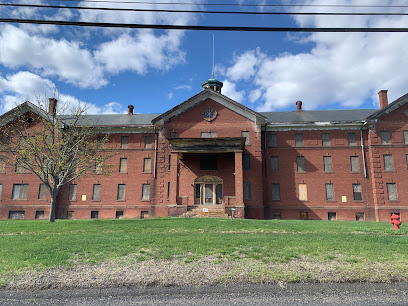
Connecticut Valley Hospital

Medical Detox Residential Treatment Inpatient Rehabilitation
Address
Tynan Circle
Middletown, Connecticut 06457
Accredited by
Joint Commission (JCAHO)
Available
24/7 admissions

About

About Connecticut Valley Hospital

Connecticut Valley Hospital (CVH) is a state-operated psychiatric facility located on Tynan Circle in Middletown, Connecticut, with a dedicated Addiction Services Division providing inpatient substance use treatment within the Connecticut Department of Mental Health and Addiction Services (DMHAS) system. As one of Connecticut’s primary public-sector inpatient resources for substance use disorders, CVH serves residents across the state who require state-funded or referred care.

Clinical programming includes medically assisted alcohol detoxification – a documented program specialty – alongside residential rehabilitation and inpatient services. The therapeutic curriculum draws on Cognitive Behavioral Therapy, motivational interviewing, anger management, brief intervention, and contingency management – a research-informed mix that reflects the hospital’s connection to evidence-based public mental health practice. Patients managing co-occurring trauma, PTSD, or other mental health conditions benefit from the integrated psychiatric infrastructure of a state hospital setting.

The Addiction Services Division serves a notably broad demographic: men, women, young adults aged 18 to 25, seniors, court-referred patients, individuals living with HIV/AIDS, and Deaf or hard-of-hearing patients all fall within its scope, with documented ASL accommodations. The state hospital setting allows for stabilization of patients with complex medical and psychiatric comorbidities that might exceed the capacity of community-based programs.

CVH is accredited by The Joint Commission. As a state hospital, the program accepts a broad payment mix including Medicaid, Medicare, TRICARE, private insurance, state insurance, sliding-scale fees, and financial assistance. Connecticut residents typically access CVH through DMHAS referral, court order, or direct admission processes – prospective patients and referring agencies should call admissions to verify the appropriate pathway for their situation. As part of DMHAS, the hospital is connected to a statewide continuum of outpatient, residential, and recovery support resources for post-discharge planning.

  • Operates dedicated detox units (Merritt Hall and Blue Hills) within a state hospital setting for maximum medical oversight
  • Certified Opioid Treatment Program (OTP) providing specialized opioid detox and withdrawal management
  • 24-hour availability for crisis detox admissions with Joint Commission accreditation
  • Accepts court-ordered individuals and offers sliding scale payments for accessible detox services
  • Hospital-level medical supervision with specialized programs for co-occurring disorders and trauma

Treatment

What this center treats and how

Levels of care
Medical Detox Residential Treatment Inpatient Rehabilitation
Conditions
Trauma / PTSD Co-Occurring Disorders / Dual Diagnosis Substance Use Disorder Alcohol Use Disorder Opioid Use Disorder
Methods
Cognitive Behavioral Therapy (CBT) Motivational Interviewing Anger Management Brief Intervention Contingency Management Medically Assisted Alcohol Detoxification
Populations
Young Adults (18-25) Seniors / Older Adults Men Women HIV/AIDS Support Deaf / Hard Of Hearing Court-Ordered
Languages
English
Facility
State-operated psychiatric hospital with addiction services division Connecticut Department of Mental Health and Addiction Services (DMHAS) operated Medically assisted alcohol detoxification ASL accessibility for Deaf patients Integrated HIV/AIDS-aware care Court-ordered admission pathway

Location

Where it is

Tynan Circle, Middletown, Connecticut 06457 Get directions

Ready to talk to Connecticut Valley Hospital?

Calls go directly to the center. Free and confidential.

Call (860) 262-5000

Medical Detox Units and 24/7 Supervision

Connecticut Valley Hospital operates specialized detoxification units designed for safe withdrawal management under continuous medical supervision. The Merritt Hall Detoxification Unit and Blue Hills Acute Detoxification Unit provide dedicated spaces for individuals requiring medically supervised detox from alcohol, opioids, and other substances.

Operating 24 hours daily, the facility ensures immediate access to medical detox services for individuals experiencing withdrawal symptoms or requiring crisis intervention. The hospital setting provides enhanced medical capabilities compared to standalone detox centers, with physician oversight and nursing staff trained in withdrawal protocols and emergency medical response.

Opioid Treatment Program and Withdrawal Management

As a certified Opioid Treatment Program (OTP), Connecticut Valley Hospital provides specialized opioid detox services with access to FDA-approved medications for withdrawal management. The program addresses the complex medical needs of individuals withdrawing from opioids, including prescription painkillers, heroin, and synthetic opioids like fentanyl.

The OTP certification demonstrates the facility's expertise in opioid withdrawal protocols and medication-assisted treatment options. Patients receive comprehensive assessment and medical monitoring throughout the detox process, with clinical staff experienced in managing opioid withdrawal symptoms and preventing complications.

Insurance Coverage and Financial Access

Connecticut Valley Hospital accepts multiple insurance options including Medicaid, Medicare, TRICARE, and private insurance plans, making medical detox services accessible to diverse populations. The facility also provides sliding scale payment options and financial assistance programs for individuals without insurance coverage.

As a state hospital facility, Connecticut Valley Hospital serves individuals regardless of their ability to pay, including those who are court-ordered for treatment. This commitment to accessibility ensures that financial barriers do not prevent access to medically necessary detox services during crisis situations.

Specialized Populations and Co-occurring Disorders

The Addiction Services Division treats individuals with co-occurring mental health disorders alongside substance use disorders, providing integrated treatment for dual diagnosis conditions. Specialized programs address trauma/PTSD, with clinical staff trained in treating individuals who have experienced trauma alongside their addiction.

The facility serves diverse populations including seniors, young adults, individuals with HIV/AIDS, and those who are deaf or hard of hearing. Court-ordered treatment options are available, with programs designed to meet legal requirements while providing comprehensive medical detox and withdrawal management services.

After Care

Continuing support

DMHAS continuum of state-funded behavioral health resources Connection to outpatient and recovery services statewide

Cost & Credentials

What's covered and who vouches for it

Payment options
Medicaid Medicare Private Insurance TRICARE Self-Pay / Cash Sliding Scale Financial Assistance State Insurance
Accreditations
Joint Commission (JCAHO) Opioid Treatment Program (OTP)
Note

Offers a variety of payment options and financial assistance though our Sliding-

Common questions

FAQs About Connecticut Valley Hospital

What medical detox services does Connecticut Valley Hospital provide? +
Connecticut Valley Hospital operates specialized detox units including Merritt Hall Detoxification Unit and Blue Hills Acute Detoxification Unit for medically supervised withdrawal management. The facility provides medical detox for alcohol, opioids, and other substances with 24-hour medical supervision. As a certified Opioid Treatment Program (OTP), they offer specialized opioid detox services with access to withdrawal management medications.
Does CVH accept insurance for detox programs? +
Yes, Connecticut Valley Hospital accepts Medicaid, Medicare, TRICARE, and private insurance for detox services. The facility also offers sliding scale payment options and financial assistance programs. As a state hospital, they provide services regardless of ability to pay, ensuring access to medically necessary detox treatment.
What makes CVH different from other detox centers in Connecticut? +
Connecticut Valley Hospital operates as a state hospital facility with Joint Commission accreditation and 24/7 availability for crisis detox admissions. The facility features dedicated detox units within a hospital setting, providing enhanced medical oversight compared to standalone detox centers. Their certified Opioid Treatment Program (OTP) offers specialized expertise in opioid withdrawal management.
Can court-ordered individuals receive treatment at CVH? +
Yes, Connecticut Valley Hospital serves court-ordered individuals requiring medical detox and residential treatment. The facility has programs designed to meet legal requirements while providing comprehensive withdrawal management services. Their state hospital status allows them to accommodate mandated treatment admissions alongside voluntary patients.
What types of withdrawal management protocols does CVH use? +
Connecticut Valley Hospital utilizes medically supervised withdrawal protocols appropriate for alcohol detox, opioid detox, and other substance withdrawals. As a certified Opioid Treatment Program, they have access to FDA-approved medications for opioid withdrawal management. The hospital setting allows for comprehensive medical monitoring and emergency intervention when needed.
Does CVH treat co-occurring mental health disorders during detox? +
Yes, Connecticut Valley Hospital specializes in treating individuals with co-occurring disorders and dual diagnosis conditions during detox. They provide integrated treatment for trauma/PTSD alongside substance use disorders. The clinical staff includes professionals trained in addressing mental health conditions that may complicate the detox process.
How long has Connecticut Valley Hospital been providing addiction services? +
Connecticut Valley Hospital was established in 1867 and operates its Addiction Services Division under the direction of Maria Laporto, MA, LADC. The facility has extensive experience providing medical detox and residential treatment services. Their long history as a state hospital demonstrates established expertise in managing complex medical and psychiatric conditions.
What happens after medical detox at CVH? +
Following medical detox, Connecticut Valley Hospital offers residential treatment programs and continuing care services. The facility provides aftercare planning and alumni services to support ongoing recovery. Patients can access additional therapeutic services including Cognitive Behavioral Therapy and specialized programs for trauma and co-occurring disorders.

Services

Programs and specialties

Treatment type
Hospital inpatient Inpatient medical detox and stabilization Hospital inpatient treatment Alcohol Detoxification Benzodiazepines Detoxification Cocaine Detoxification Opioid Detoxification Methamphetamines detoxification Routinely uses medication for detoxification
Payment
Cash or self-payment State-financed health insurance plan other than Medicaid Payment assistance (check with facility for details) Federal or any government funding for substance use programs Medicare Medicaid Military insurance (e.g. TRICARE) Sliding fee scale (fee is based on income and other factors)
Specialty
Mental health counseling for co-occurring disorders Group therapy Family therapy Marital/couples counseling Addiction recovery education Adult men Clients referred from the court/judicial system
Sponsored Hotline · Who answers?
Call 24/7 · (866) 442-3244