
Skip to content

Hospital Program · Suffern, New York

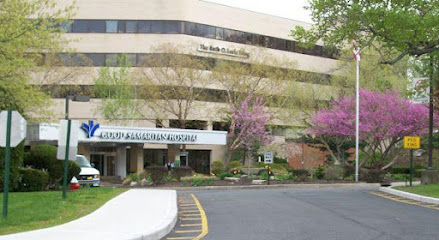
Good Samaritan Hospital of Suffern

Medical Detox Opioid Treatment Program (Outpatient MAT)
Address
255 Lafayette Avenue
Suffern, New York 10901
Accredited by
Joint Commission (JCAHO)
Available
24/7 admissions

About

About Good Samaritan Hospital of Suffern

Good Samaritan Hospital of Suffern is a community hospital in Rockland County, New York, and a member of the Westchester Medical Center Health Network (WMCHealth). Its chemical dependency services are integrated into the hospital’s larger Mental and Behavioral Health line, allowing adults from the Hudson Valley to access medically supervised detoxification and outpatient opioid treatment in a fully equipped acute-care setting at 255 Lafayette Avenue.

The inpatient detoxification unit is staffed by physicians, psychiatric providers, and nurses who manage withdrawal from alcohol, opioids, benzodiazepines, and other substances. Because care is delivered inside a hospital, clients with complex medical needs — including pregnant women, people living with HIV/AIDS, and clients with co-occurring conditions such as cardiovascular or psychiatric disease — can be treated safely without leaving the campus. The Joint Commission accreditation underwrites the hospital’s commitment to safety and quality.

For longer-term recovery, Good Samaritan operates a federally certified Opioid Treatment Program. Clients enrolled in OTP services receive medication-assisted treatment with methadone or buprenorphine, paired with Cognitive Behavioral Therapy, individual counseling, and group sessions. The program is designed to support stable, long-term recovery from opioid dependence while connecting clients to the hospital’s broader behavioral-health resources.

Financial counselors work with patients to navigate Medicaid, Medicare, TRICARE, state insurance, and a wide range of private coverage, and WMCHealth’s financial-assistance program is available for qualifying patients. American Sign Language access is available for Deaf and hard-of-hearing clients, and admissions can be initiated by calling 845-368-5160, extension 5120.

  • Joint Commission-accredited hospital-based medical detox with 24/7 medical supervision
  • Certified Opioid Treatment Program (OTP) providing FDA-approved medications for opioid withdrawal
  • Specialized services for pregnant women requiring medically supervised detox
  • Hospital setting enables treatment of medically complex withdrawal cases and co-occurring conditions
  • Immediate admission capability with round-the-clock operations for withdrawal emergencies

Treatment

What this center treats and how

Levels of care
Medical Detox Opioid Treatment Program (Outpatient MAT)
Conditions
Substance Use Disorders Alcohol Use Disorder Opioid Use Disorder Trauma / PTSD Co-Occurring Mental Health Conditions
Methods
Cognitive Behavioral Therapy (CBT) Medication-Assisted Treatment Individual Therapy Group Therapy
Populations
Adults Pregnant Women HIV/AIDS Support Deaf / Hard of Hearing Co-Occurring Disorders / Dual Diagnosis
Languages
English American Sign Language (ASL)
Facility
Hospital-Based Inpatient Detox Unit On-Site Medical and Psychiatric Support Part of Westchester Medical Center Health Network Rockland County Community Hospital

Location

Where it is

255 Lafayette Avenue, Suffern, New York 10901 Get directions

Ready to talk to Good Samaritan Hospital of Suffern?

Calls go directly to the center. Free and confidential.

Call 845-368-5160 x5120

Medical Detox Programs and Withdrawal Management

Good Samaritan Hospital's Drug Abuse Treatment Unit provides medically supervised detox within a full-service hospital environment. The 24/7 medical detox program ensures continuous monitoring throughout withdrawal, with medical staff available to manage complications and adjust protocols as needed. This hospital-based approach allows treatment of medically complex cases that outpatient detox centers cannot safely handle.

The facility's Opioid Treatment Program certification enables comprehensive opioid detox using FDA-approved medications. Medical staff implement evidence-based withdrawal protocols, adjusting medication dosages and monitoring vital signs throughout the detox process. Beyond medical detox, the residential treatment component provides continued stabilization before patients transition to outpatient care or longer-term treatment programs.

Specialized Population Services

The detox center serves pregnant women requiring specialized medical withdrawal management, coordinating obstetric care with addiction medicine protocols. Medical staff monitor both maternal and fetal health throughout detox, ensuring safe withdrawal that protects pregnancy outcomes. This specialized capability addresses a critical gap, as many detox facilities cannot accommodate pregnant patients' complex medical needs.

Good Samaritan Hospital also provides services for deaf and hard of hearing individuals, ensuring communication accessibility during medical detox. The program treats patients with HIV/AIDS, coordinating addiction treatment with infectious disease management. Co-occurring disorders and dual diagnosis cases receive integrated treatment addressing both substance use and mental health conditions simultaneously.

Insurance Coverage and Admission Process

The hospital accepts multiple insurance types including Medicaid, Medicare, private insurance, TRICARE, and state insurance plans for medical detox services. This broad insurance acceptance ensures withdrawal management remains accessible regardless of coverage type. Financial counselors work with patients to verify benefits and coordinate coverage for both detox and continued treatment needs.

The 24-hour operation schedule allows immediate admission for individuals experiencing withdrawal symptoms or medical emergencies. Hospital-based intake ensures rapid medical assessment and initiation of withdrawal protocols without delays common in non-medical settings. Emergency department coordination enables seamless transitions for patients presenting with acute withdrawal or overdose situations requiring immediate medical detox.

After Care

Continuing support

Outpatient Opioid Treatment Program (MAT) Behavioral Health Network Referrals Financial Assistance Counseling

Cost & Credentials

What's covered and who vouches for it

Payment options
Medicaid Medicare Private Insurance TRICARE State Insurance Financial Assistance
Accreditations
Joint Commission (JCAHO) Opioid Treatment Program (OTP)

Common questions

FAQs About Good Samaritan Hospital of Suffern

What types of medical detox does Good Samaritan Hospital provide? +
Good Samaritan Hospital offers medical detox and residential treatment through its Drug Abuse Treatment Unit. The facility is certified as an Opioid Treatment Program (OTP), providing specialized opioid detox with FDA-approved medications. All detox services operate within a 24/7 medically supervised hospital environment.
Can pregnant women receive medical detox at Good Samaritan Hospital? +
Yes, Good Samaritan Hospital specifically serves pregnant women requiring medical detox services. The hospital setting allows coordination between addiction medicine and obstetric care, ensuring both maternal and fetal safety throughout withdrawal management. This specialized capability addresses complex medical needs that many detox facilities cannot accommodate.
Does the hospital provide 24-hour medical supervision during detox? +
Good Samaritan Hospital operates 24 hours daily, seven days per week, providing continuous medical supervision throughout detox. The hospital-based program ensures medical staff availability for withdrawal monitoring, medication adjustments, and management of any complications that arise during medically supervised detox.
What insurance plans cover medical detox at Good Samaritan Hospital? +
The hospital accepts Medicaid, Medicare, private insurance, TRICARE, and state insurance plans for medical detox services. This broad insurance acceptance ensures withdrawal management remains accessible for patients with various coverage types. Financial counselors assist with benefit verification and coverage coordination.
Can patients with co-occurring mental health conditions receive medical detox? +
Yes, Good Samaritan Hospital treats co-occurring disorders and dual diagnosis cases during medical detox. The program addresses both substance use and mental health conditions simultaneously, using approaches like Cognitive Behavioral Therapy alongside medical withdrawal management protocols.
Is Good Samaritan Hospital accredited for addiction treatment? +
Good Samaritan Hospital holds Joint Commission (JCAHO) accreditation and maintains certification as an Opioid Treatment Program (OTP). These credentials demonstrate compliance with national standards for medical detox and addiction treatment within hospital settings.
Can someone walk out of the detox program at Good Samaritan Hospital? +
As a hospital-based medical detox program, patients typically retain the right to leave treatment unless they are under court order or involuntary commitment. However, medical staff will explain the risks of leaving detox incomplete and may recommend completion of withdrawal management for safety reasons.
Does the hospital provide services for deaf or hard of hearing patients? +
Yes, Good Samaritan Hospital specifically serves deaf and hard of hearing individuals requiring medical detox. The facility ensures communication accessibility throughout withdrawal management, providing appropriate accommodations for patients with hearing impairments during their detox treatment.

Services

Programs and specialties

Treatment type
Hospital inpatient Inpatient medical detox and stabilization Hospital inpatient treatment Alcohol Detoxification Benzodiazepines Detoxification Opioid Detoxification Routinely uses medication for detoxification
Payment
Cash or self-payment State-financed health insurance plan other than Medicaid Medicare Medicaid Military insurance (e.g. TRICARE)
Specialty
Mental health counseling for co-occurring disorders Group therapy Family therapy Addiction recovery education Pregnant/postpartum women Adult men
Sponsored Hotline · Who answers?
Call 24/7 · (866) 442-3244