
Skip to content

Residential · Black Mountain, North Carolina

JFK Alcohol and Drug Abuse Trt Ctr

Residential Treatment Outpatient Program
Address
201 Tabernacle Road
Black Mountain, North Carolina 28711
Accredited by
Joint Commission (JCAHO)
Available
24/7 admissions

About

About JFK Alcohol and Drug Abuse Trt Ctr

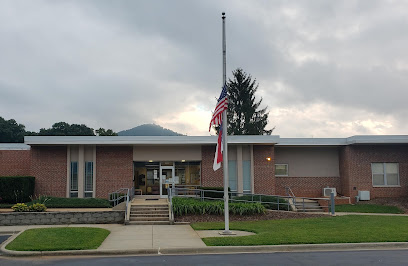
The Julian F. Keith Alcohol and Drug Abuse Treatment Center (JFK ADATC) is a state-operated residential substance use treatment facility located at 201 Tabernacle Road in Black Mountain, North Carolina, in the mountains east of Asheville. The facility is part of the North Carolina Department of Health and Human Services Division of State Operated Healthcare Facilities and serves western North Carolina and the broader Buncombe County region.

As a state-operated alcohol and drug abuse treatment center (ADATC), JFK provides structured residential substance use treatment for adults experiencing alcohol use disorder, substance use disorder, opioid use disorder, and co-occurring mental health and trauma concerns. Outpatient pathways supplement the core residential model. The center is documented as accredited by The Joint Commission and as operating a federally certified opioid treatment program.

The program serves a broad population: veterans, pregnant women, young adults, older adults, men and women, court-involved clients, people with HIV/AIDS, and deaf or hard-of-hearing clients. Trauma and dual-diagnosis presentations are addressed within the residential and outpatient programming, with cognitive behavioral therapy and medication-assisted treatment among the documented modalities.

North Carolina’s ADATCs are designed to be accessible to people across payer types, with documented payment options including Medicaid, Medicare, private insurance, TRICARE, self-pay, and state insurance. Prospective patients can call (828) 257-6200 to start an admissions conversation. SAMHSA’s record carries an ambiguous flag around detox specifics — patients needing acute withdrawal management should ask intake whether detoxification is delivered on-site or coordinated with a partner facility.

  • State-operated facility with Joint Commission accreditation ensuring regulated medical detox standards
  • Certified Opioid Treatment Program (OTP) providing medication-assisted treatment during withdrawal
  • 24-hour hospital-level inpatient detox capabilities with round-the-clock medical supervision
  • Specialized detox protocols for high-risk populations including pregnant women and HIV/AIDS patients
  • Comprehensive insurance acceptance including Medicaid, Medicare, and TRICARE for accessible detox services

Treatment

What this center treats and how

Levels of care
Residential Treatment Outpatient Program
Conditions
Alcohol Use Disorder Substance Use Disorder Opioid Use Disorder Co-occurring Disorders / Dual Diagnosis Trauma / PTSD
Methods
Cognitive Behavioral Therapy (CBT) Medication-Assisted Treatment (MAT)
Populations
Veterans Pregnant Women Young Adults (18-25) Seniors / Older Adults Men Women HIV/AIDS Support Deaf / Hard Of Hearing Court-Ordered
Languages
English
Facility
State-operated Facility 24-hour Care Hospital Inpatient Aftercare Support

Location

Where it is

201 Tabernacle Road, Black Mountain, North Carolina 28711 Get directions

Ready to talk to JFK Alcohol and Drug Abuse Trt Ctr?

Calls go directly to the center. Free and confidential.

Call (828) 257-6200

Medical Detox Programs and Withdrawal Management

JFK Alcohol and Drug Abuse Treatment Center operates comprehensive medical detox programs designed for safe withdrawal management from alcohol, opioids, and other controlled substances. The facility maintains 24-hour medical supervision capabilities, ensuring patients receive appropriate clinical monitoring during the critical detoxification phase.

As a certified Opioid Treatment Program, JFK provides medication-assisted treatment using FDA-approved medications to manage opioid withdrawal symptoms. Their medical staff implements established withdrawal protocols for alcohol detox, benzo detox, and other substance-specific detoxification needs, with inpatient detox services available for complex cases requiring intensive medical oversight.

Specialized Detox Services for High-Risk Populations

The center provides targeted medical detox services for vulnerable populations requiring specialized withdrawal protocols. Pregnant women receive obstetric-informed detox care, while veterans access TRICARE-covered withdrawal management services tailored to military-related substance use patterns.

JFK's medical team manages detox for patients with co-occurring mental health disorders, HIV/AIDS, and trauma-related substance use. Seniors and older adults receive age-appropriate detox protocols, while the facility accommodates deaf and hard-of-hearing patients needing accessible withdrawal management services.

State-Operated Facility with Comprehensive Insurance Coverage

Operating under North Carolina Department of Health and Human Services oversight, JFK maintains state-regulated standards for medical detoxification services. Joint Commission accreditation ensures compliance with national healthcare quality benchmarks for detox programs and withdrawal management protocols.

The facility accepts multiple payment options including Medicaid, Medicare, private insurance, TRICARE, and self-pay arrangements. This comprehensive coverage approach removes financial barriers to accessing urgent medical detox services for Buncombe County and Western North Carolina residents requiring immediate withdrawal management.

After Care

Continuing support

Aftercare Support

Cost & Credentials

What's covered and who vouches for it

Payment options
Medicaid Medicare Private Insurance TRICARE Self-Pay / Cash State Insurance
Accreditations
Joint Commission (JCAHO) Opioid Treatment Program (OTP)

Common questions

FAQs About JFK Alcohol and Drug Abuse Trt Ctr

What types of medical detox does JFK provide? +
JFK offers medical detox for alcohol, opioids, and other substances with 24-hour medical supervision. As a certified Opioid Treatment Program, they provide medication-assisted treatment during withdrawal management.
Does JFK accept insurance for detox services? +
Yes, JFK accepts Medicaid, Medicare, private insurance, TRICARE, state insurance, and self-pay. This comprehensive coverage ensures accessible medical detox for most patients requiring withdrawal management.
Is JFK a state-operated detox facility? +
Yes, JFK operates under the North Carolina Department of Health and Human Services as a state-run facility. They maintain Joint Commission accreditation and follow state-regulated medical detox standards.
What areas does JFK serve for detox services? +
JFK serves Black Mountain, Buncombe County, and Western North Carolina regions. The facility is located at 201 Tabernacle Road in Black Mountain, providing accessible detox programs for surrounding communities.
Does JFK provide detox for pregnant women? +
Yes, JFK offers specialized medical detox services for pregnant women requiring withdrawal management. Their medical staff implements pregnancy-specific detox protocols to ensure maternal and fetal safety during treatment.
What happens after medical detox at JFK? +
JFK provides residential treatment and outpatient programs following medical detox. They offer aftercare support and continuing treatment options to support recovery beyond the initial withdrawal management phase.
Is JFK open 24/7 for detox admissions? +
Yes, JFK operates 24 hours daily, seven days a week. This around-the-clock availability ensures immediate access to medical detox services for individuals experiencing withdrawal symptoms requiring urgent intervention.
Does JFK treat co-occurring mental health disorders during detox? +
Yes, JFK provides medical detox for individuals with co-occurring mental health conditions. Their dual diagnosis approach addresses both substance withdrawal and psychiatric symptoms during the detoxification process.

Services

Programs and specialties

Treatment type
Hospital inpatient Residential treatment Inpatient medical detox and stabilization Hospital inpatient treatment Short-term residential Alcohol Detoxification Benzodiazepines Detoxification Cocaine Detoxification Opioid Detoxification Methamphetamines detoxification Routinely uses medication for detoxification
Payment
Cash or self-payment State-financed health insurance plan other than Medicaid IHS/Tribal/Urban (ITU) funds Medicare Medicaid Military insurance (e.g. TRICARE) Sliding fee scale (fee is based on income and other factors)
Specialty
Mental health counseling for co-occurring disorders Group therapy Family therapy Marital/couples counseling Addiction recovery education Adolescents and young adults Pregnant/postpartum women Adult men
Sponsored Hotline · Who answers?
Call 24/7 · (866) 442-3244