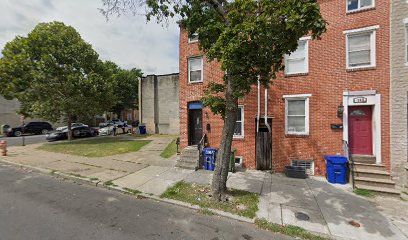
University of Maryland Medical Center Methadone Program
Outpatient ProgramOpioid Treatment Program (OTP)
Address
1001 West Pratt Street
Baltimore, MD 21223
Accredited by
CARF, NCQA
Admissions
Call to confirm availability
About
About University of Maryland Medical Center Methadone Program
The University of Maryland Medical Center Methadone Program is an outpatient opioid treatment program operated by UMMC on the medical center’s campus at 1001 West Pratt Street in southwest Baltimore. The program is part of UMMC’s broader addiction treatment services and benefits from being embedded inside an academic medical center, with direct access to primary care, hospital services, and specialty consultation when clients need them.
Clinically, the program is licensed as an Opioid Treatment Program (OTP) and centers its medication strategy on methadone maintenance, an evidence-based treatment for opioid use disorder that has decades of outcomes research behind it. Methadone dosing is paired with cognitive behavioral therapy and trauma-related counseling, addressing both the physiological pull of opioid dependence and the psychological patterns and trauma exposures that often underlie it. Telehealth options are offered alongside in-person care. Programming explicitly accommodates men, women, and Deaf and hard of hearing clients through American Sign Language services.
The program is accredited by both CARF and NCQA. CARF accreditation reflects independent verification of clinical and operational standards, while NCQA accreditation focuses on quality and outcomes measurement. That dual accreditation is unusual among community-facing OTPs and signals a high level of quality oversight.
Financial access is broad. The program accepts Medicaid, Medicare, private insurance, Maryland state-funded behavioral health benefits, self-pay, and offers financial assistance arrangements. Prospective clients can reach the program by calling 443-462-3401 or 443-462-3400. As with other OTPs, expect an initial intake assessment, daily clinic attendance early in treatment, and progressive transition to less frequent attendance as clinical stability is established.
CARF and NCQA dual-accredited opioid treatment program
Methadone maintenance with evidence-based outcomes for opioid use disorder
Embedded in an academic medical center with access to primary care and specialty services
ASL services for Deaf and hard of hearing clients
Broad payer mix including Medicaid, Medicare, private insurance, and financial assistance
Treatment
What this center treats and how
Levels of care
Outpatient ProgramOpioid Treatment Program (OTP)
Conditions
Opioid Use DisorderSubstance Use DisorderTrauma / PTSDCo-occurring Disorders / Dual Diagnosis
Most opioid treatment programs operate as standalone clinics. The UMMC Methadone Program is embedded inside an academic medical center, which means clients receive medication-assisted treatment with direct access to primary care, hospital services, and specialty medicine when clinical needs require.
Evidence-Based Care for Opioid Use Disorder
Methadone maintenance has decades of outcomes research showing reductions in overdose mortality, criminal-legal involvement, and infectious disease transmission. UMMC pairs that pharmacotherapy with CBT and trauma-informed counseling to address the psychological dimensions of opioid use disorder.
Dual Accreditation
CARF and NCQA accreditation together is rare for community OTPs. CARF verifies clinical and operational standards, while NCQA focuses on quality measurement and outcomes. That combination reflects a stronger commitment to external accountability than is typical in the OTP space.
FAQs About University of Maryland Medical Center Methadone Program
Where is the program located?+
At 1001 West Pratt Street on the University of Maryland Medical Center campus in Baltimore, 21223.
What is methadone treatment?+
Methadone is an FDA-approved medication for opioid use disorder. Dispensed under federal OTP regulations, it reduces cravings and prevents withdrawal so clients can stabilize and engage in counseling.
Is the program accredited?+
Yes. The program holds both CARF and NCQA accreditation, an unusual combination among community OTPs.
Are American Sign Language services available?+
Yes. ASL services support Deaf and hard of hearing clients.
What insurance is accepted?+
Medicaid, Medicare, private commercial insurance, Maryland state-funded behavioral health, self-pay, and financial assistance arrangements are accepted.
As with most OTPs, clients typically attend daily early in treatment, with attendance becoming less frequent as clinical stability is established.
How do I contact the program?+
Call 443-462-3401 or 443-462-3400 to schedule an intake assessment and verify insurance coverage.
Services
Programs and specialties
Treatment type
OutpatientOutpatient detoxificationOutpatient methadone/buprenorphine or naltrexone treatmentAftercare recovery programsAlcohol DetoxificationBenzodiazepines DetoxificationOpioid DetoxificationRoutinely uses medication for detoxification
Payment
Cash or self-paymentState-financed health insurance plan other than MedicaidFederal or any government funding for substance use programsMedicareMedicaidMilitary insurance (e.g. TRICARE)
Specialty
Mental health counseling for co-occurring disordersGroup therapyFamily therapyMarital/couples counselingAddiction recovery educationPregnant/postpartum womenAdult menSeniors or older adultsVeteransClients referred from the court/judicial system
If you are seeking drug and alcohol related addiction rehab for yourself or a loved one,
the sponsored hotline is a confidential and convenient solution.
Calls to any sponsored hotline (non-facility) will be answered by: