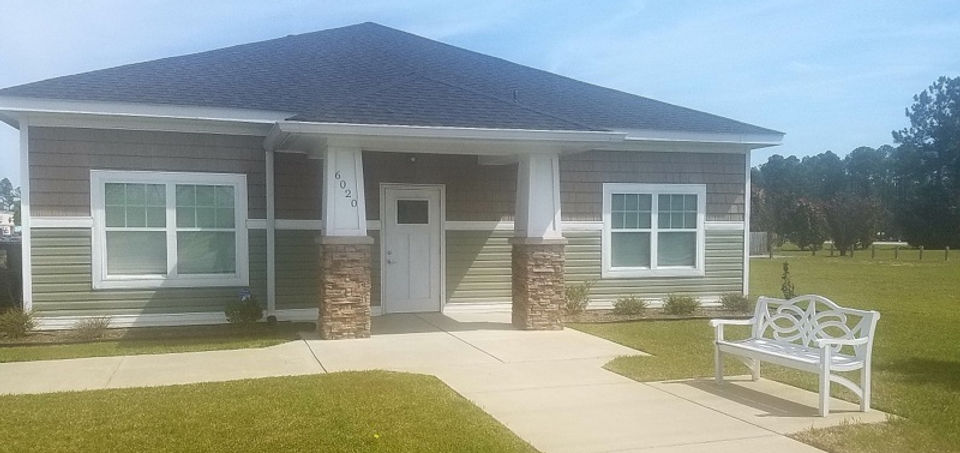
Palmetto Intervention And Recovery
Primary / type of care
Payment info
Compare the 30 closest detox centers near Goose Creek, SC, ordered by distance. No published centers are currently listed within city limits, so these results show nearby options.
Compare up to 30 of the closest published facilities, ordered by distance from Goose Creek, SC. Facility addresses below show where each center is physically located.
Primary / type of care
Payment info
Among those nearby options, 7 have confirmed medical detox services. The closest facilities are located in Charleston and North Charleston, both within roughly 10 to 15 miles of Goose Creek, and offer a range of care levels including outpatient programs, residential treatment, and medically supervised withdrawal management.
The information below covers what Detox Local knows about nearby centers so you can compare options and reach out to the ones that fit your situation.
Since Detox Local has no centers directly in Goose Creek, the most practical starting point is looking at centers in Charleston and North Charleston. Charleston Center of Charleston County, located about 9.6 miles away in Charleston, offers medical detox, residential treatment, outpatient programming, and intensive outpatient services. It is CARF-accredited and accepts Medicaid, Medicare, private insurance, and self-pay.
In North Charleston, roughly 10.9 miles out, Center for Behavioral Health South Carolina Inc provides outpatient treatment with medication-assisted treatment for opioid use disorder and is accredited by The Joint Commission. Palmetto Lowcountry Behavioral Health, also in North Charleston, offers residential treatment and accepts TRICARE.
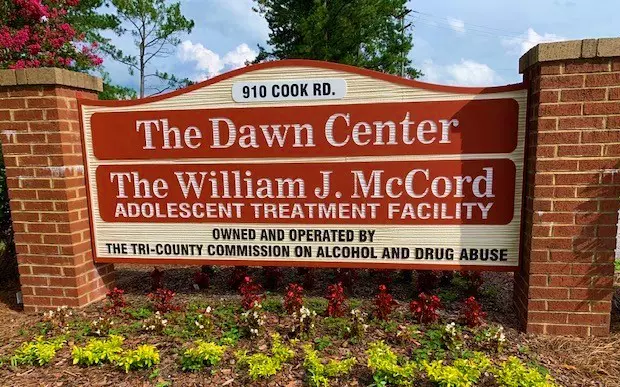
Seven of the 17 nearby centers have confirmed medical detox services. In addition to Charleston Center, other facilities offering medical detox include Bruce Hall in Florence (91.3 miles), Columbia Metro Treatment Center in West Columbia (93.1 miles), Morris Village in Columbia (94.3 miles), Keystone Substance Abuse Services in Rock Hill (148 miles), Carolina Center for Behavioral Health in Greer (181.4 miles), and William J. McCord in Orangeburg (60 miles), which specializes in adolescent care.
Distance may be a factor when comparing these options. If medically supervised withdrawal management is needed, it is worth contacting the closer options first to check availability and admission requirements.
Treatment programs vary widely in their structure. Outpatient programs allow someone to live at home while attending scheduled sessions. Intensive outpatient programs (IOP) involve more frequent visits each week. Residential treatment means living at the facility during the program. Medical detox or withdrawal management is typically a short-term, medically supervised process that addresses physical dependence before longer-term treatment begins.
Several nearby centers offer more than one level of care, which can make it easier to step down from a higher to a lower level of care within the same facility. Asking about this when you call a center can help with planning the full course of treatment.
Answers to common questions people ask while comparing detox centers near Goose Creek.
No. Detox Local does not currently have centers directly in Goose Creek. The nearest nearby centers are in Charleston and North Charleston, both within about 10 to 15 miles.
Yes. Among the 17 nearby centers in the surrounding area, 7 have confirmed medical detox services. Charleston Center of Charleston County in Charleston is one of the closest, located approximately 9.6 miles away.
Payment options vary by facility. Several nearby centers accept Medicaid, Medicare, private insurance, TRICARE, and self-pay or cash. Some also offer sliding scale fees or financial assistance. Contact individual centers to confirm what they currently accept.
Ralph H. Johnson VA Medical Center’s Substance Treatment and Recovery (STAR) program is located in Charleston, about 14.9 miles away, and may serve eligible veterans. The William Jennings Bryan Dorn VA Medical Center in Columbia is a more distant option.
The appropriate level of care depends on factors like the substance involved, how long someone has been using, and their overall health. A doctor or treatment counselor can help determine whether outpatient, intensive outpatient, or residential care is most appropriate for a given situation.