Drug & Alcohol Detox Centers in Oak Harbor, WA
Detox Local has 24 detox centers in or near Oak Harbor, WA. Of those, 10 offer confirmed medical detox — meaning medically supervised withdrawal management on site. Other centers may provide residential treatment, outpatient programs, or intensive outpatient (IOP) services.
Browse Detox Centers in Oak Harbor, WA
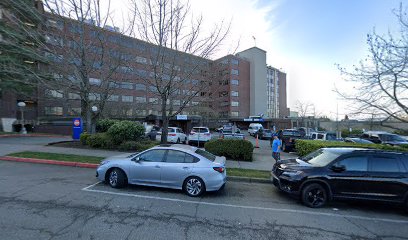
Drug and Alcohol Treatment Services Providence Regional Med Ctr/Everett
Lummi Counseling Services
Evergreen Health Recovery Center
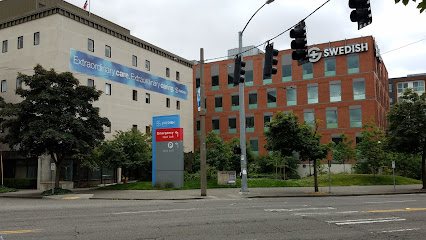
Swedish Medical Center/Ballard Addiction Recovery Services
Hotel California by the Sea Bellevue
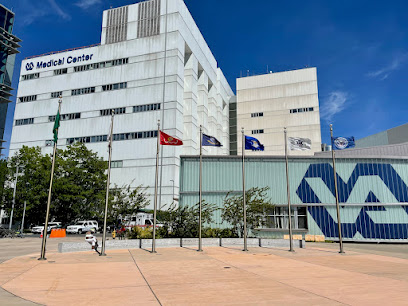
VA Puget Sound Healthcare System Seattle Division
Olalla Recovery Centers
Royal Life Centers LLC Puget Sound
Royal Life Centers LLC Haven
HarborCrest Behavioral Health Grays Harbor Community Hospital
Discover Recovery
Sundown M Ranch
Columbia Wellness Wellness and Recovery Center
Recovery Village Ridgefield Detox Center
Lifeline Connections Main Campus
VA Portland Healthcare System Substance Abuse Treatment Program
Pacific Crest Trail Detox
Madrona Recovery
Hazelden Betty Ford Foundation
Bridgeway Recovery Services Medically Managed Withdrawal Program
Pacific Ridge
Royal Life Centers LLC Spokane Detox
Eastern Oregon Detoxification Center
Serenity Lane
Willamette Family Inc Buckley Center Detox
Serenity Lane/Eugene
ADAPT The Crossroads
Addictions Recovery Center Christine Mason Residential Program
BestCare Klamath Basin Recovery Center
More Information About Detox in Oak Harbor
Among those nearby options, 10 are confirmed to offer medical detox or medically supervised withdrawal management. The closest facilities are in Burlington (about 18 miles away) and Everett (about 29 miles away), with additional options in Bellingham, Seattle, and communities further south toward Tacoma and Olympia.
The information below can help you understand what to look for when comparing programs and how to connect with a facility that fits your situation. Use the nearby center listings to review services, payment options, and contact information for each location.
Finding care when your city lacks local listings
When no treatment centers are listed directly in a city, nearby facilities in adjacent communities become the practical starting point. For Oak Harbor residents, Burlington and Bellingham offer the closest options and are reachable within roughly 30 miles. Both cities have centers with confirmed medical detox, meaning clinicians are available to supervise withdrawal - an important consideration when stopping alcohol, opioids, or benzodiazepines, where withdrawal can carry health risks.
If distance is a concern, some residential programs allow patients to stay on-site during the initial treatment phase, which can reduce the burden of daily travel. Outpatient and intensive outpatient programs, available at several nearby centers, may be more practical for people who need to remain closer to home after the initial stabilization period.
Understanding levels of care at nearby facilities
The 24 nearby centers offer a range of program types. Medical detox and withdrawal management services focus on the physical process of clearing substances from the body under clinical supervision. Residential treatment provides structured, live-in support following detox. Outpatient and intensive outpatient programs (IOP) allow people to receive treatment while living at home, typically involving several hours of programming per week.
Not every nearby center offers every level of care. Reviewing each facility's listed services before reaching out can help narrow down which programs are worth a call. Several centers in the nearby list, including those in Burlington, Bellingham, Everett, and Seattle, offer multiple levels of care under one program.
Payment and insurance considerations
Among the nearby centers, payment options vary widely. Some facilities accept Medicaid and Medicare, others take private insurance or TRICARE, and several offer self-pay or sliding-scale options. Because coverage details change, it is worth calling a center directly to confirm what your specific plan covers and whether financial assistance is available.
If cost is a barrier, state-funded and community detox programs - such as Skagit Community Detox in Burlington - are designed to serve people with limited financial resources and accept Medicaid and state insurance. Asking about financial assistance during your first call can help clarify options before committing to a program.
Find A Detox In A City Near Oak Harbor, WA
Answers to common questions people ask while comparing detox centers in Oak Harbor.
Frequently Asked Questions
Does Oak Harbor have any detox centers on Detox Local?
Detox Local does not currently have direct city centers for treatment centers located in Oak Harbor, WA. However, 24 nearby facilities in surrounding communities are listed and may be accessible to Oak Harbor residents.
Where is the nearest medical detox to Oak Harbor, WA?
Skagit Community Detox in Burlington, WA — approximately 18 miles away — is the closest nearby center confirmed to offer medical detox and withdrawal management. Whatcom Community Detox in Bellingham and Drug and Alcohol Treatment Services in Everett are also relatively close options with confirmed medical detox.
What payment options are available at nearby centers?
Payment options vary by facility. Among the nearby centers, options include Medicaid, Medicare, private insurance, TRICARE, self-pay or cash, sliding-scale fees, and state insurance. Check directly with each center to confirm what they currently accept.
Are there any options for veterans near Oak Harbor?
VA Puget Sound Healthcare System in Seattle offers medical detox and withdrawal management exclusively for veterans and is located approximately 53 miles from Oak Harbor. Naval Hospital Bremerton’s Substance Abuse Rehabilitation Program also serves military-connected individuals, though it is primarily an outpatient clinic.
What should I ask when contacting a nearby treatment center?
It helps to ask about available levels of care (such as medical detox, residential, or outpatient), accepted insurance or payment plans, wait times for admission, and whether the program addresses any co-occurring mental health needs alongside substance use.